Here are our Top Choices for
RED WINE
A focused range of reds offering depth, approachability, and structure, suited to elegant dinners without overwhelming service or palates.
FRANCE
Red
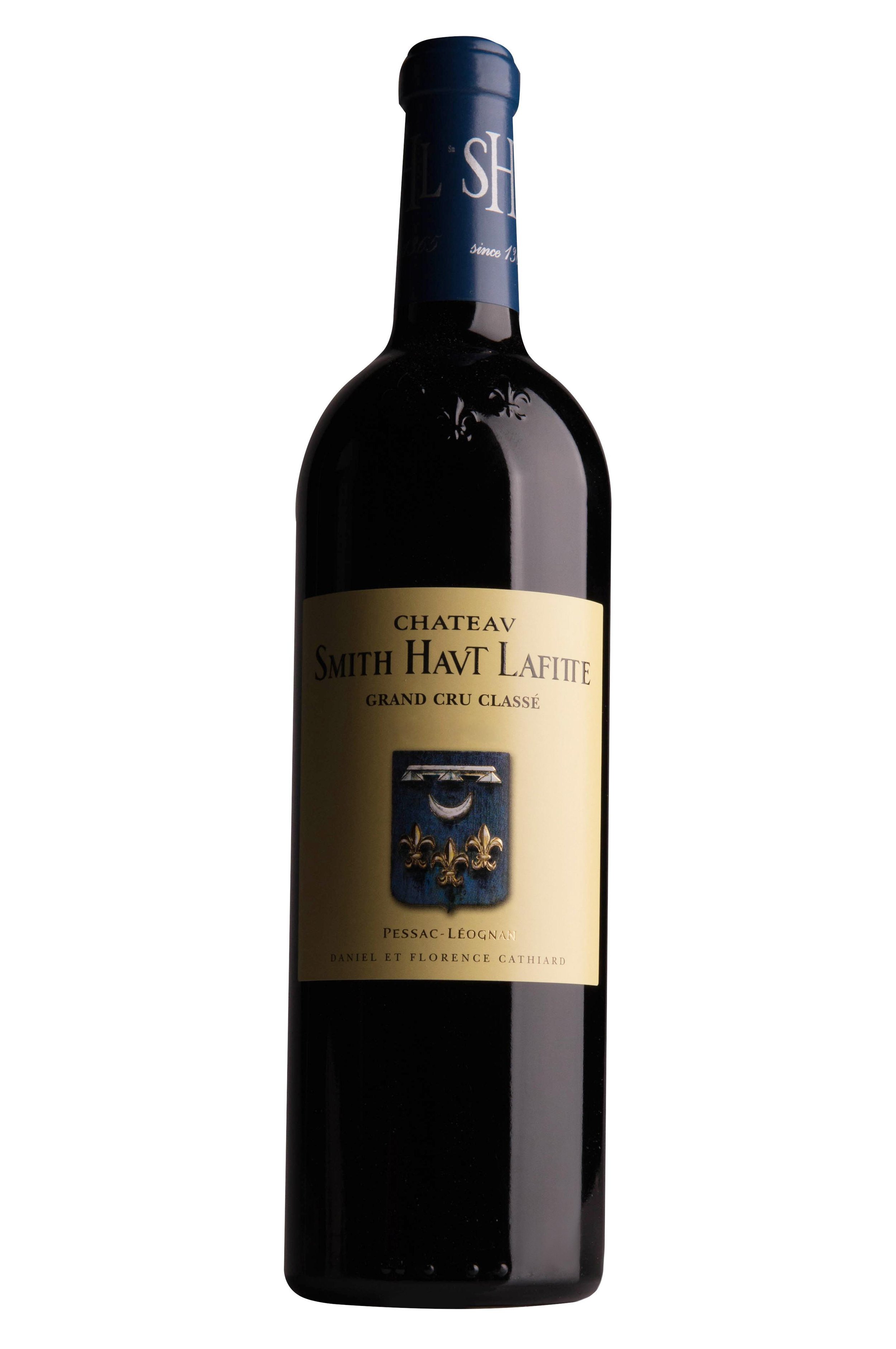

Chateau Smith Haut Lafitte is situated at the heart of the Pessac-Léognan appellation. It boasts a rich history dating back to 1365, making it one of Bordeaux's oldest estates.
The expansive 78-hectare estate dedicates 67 hectares to the production of red wines, featuring a blend of 35% Merlot, 55% Cabernet Sauvignon, and 9% Cabernet Franc. Additionally, 11 hectares are allocated for crafting predominantly Sauvignon Blanc whites. The wines of Chateau Smith Haut Lafitte are celebrated for their vibrant expressiveness and intricate complexity, highlighted by the perfection of ripened fruits.
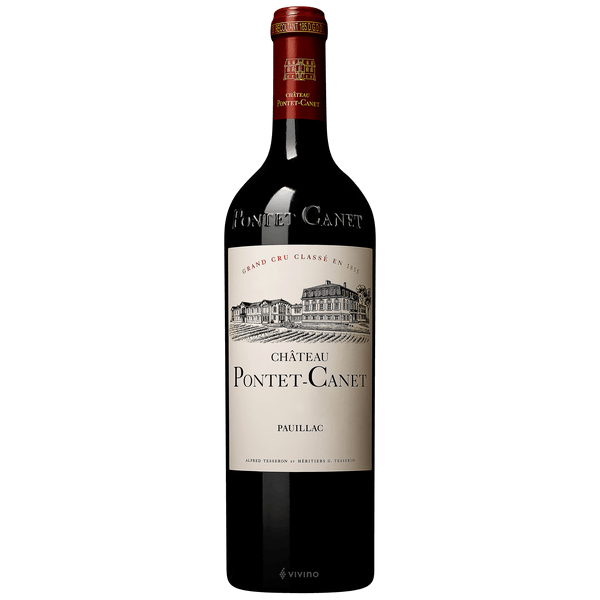
Jean-François de Pontet, royal governor of the Médoc, combined several vineyard plots in Pauillac, in the 18th century. Years later, his descendants added neighbouring vines in a place called Canet. This was the beginning of one of the largest properties of the Médoc.
A century later, Château Pontet-Canet was included in the famous classification of 1855, thus confirming its membership as a member of the Médoc elite. This privileged position did not go unnoticed by one of the most important Bordeaux negociants of the time, Herman Cruse, who bought the estate in 1865. He built new wineries, modernised the winemaking facilities, and established the reputation of wine around the world. The Cruse family owned Pontet-Canet for 110 years, until another negotiant (of Cognac this time), Guy Tesseron, acquired it in 1975.
For more than two centuries, Pontet-Canet has been owned by three different families. Today it is directed by Alfred Tesseron with his niece Melanie (daughter of Gerard Tesseron) who is a descendant of Guy Tesseron. Thirty years after their arrival in Pauillac, the Tesseron family is proud to know that some of the vineyards have been gradually replanted and the buildings and winemaking facilities have been renovated.

Perfectly located beside Cheval Blanc and L'Evangile, Château La Conseillante has a rich history of producing exceptional wines that are always crafted with finesse and without excessive extraction. Louis Nicolas acquired it in 1871, and it has remained in his family's hands ever since. The vineyard spans 11.8 hectares, with 83% Merlot and 17% Cabernet Franc planted.

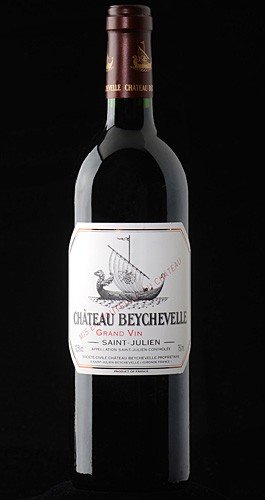
Château Beychevelle, a prestigious estate in Bordeaux's Saint-Julien appellation, boasts magnificent gardens and excellent wines. Their powerful and structured wines embody the finesse of the Saint-Julien terroir. Crafted for long-term aging, these wines evolve superbly over the years. The 90-hectare vineyard benefits from splendid Garonne gravelly slopes and proximity to the Gironde estuary, ensuring a favorable climate.
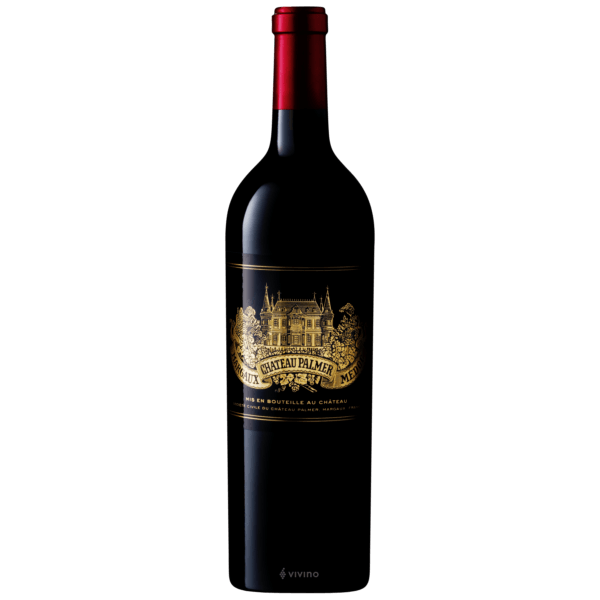
Château Palmer has a rich history dating back to 1814 when Colonel Charles Palmer acquired the property, then known as Château de Gascq, from a recently divorced lady. Recognizing the quality of the wine produced there, Palmer renamed it Château Palmer. He expanded the vineyards significantly and later sold the estate to the Pereire family in 1843. The Pereire family invested in modernizing the château and built the iconic structure in 1856. Over the years, Château Palmer went through various ownership changes and is currently majority-owned by the Mahler-Besse and Sichel families. The estate has always embraced modern technologies to enhance its winemaking facilities.

Château Cheval Blanc Le Petit Cheval is an exquisite red wine blend made from Merlot and Cabernet Franc grapes, classified as an AOC Saint-Émilion Grand Cru by Château Cheval Blanc. The estate, located in Bordeaux, produces renowned Cabernet Franc wines, striking a balance between immediate enjoyment and aging potential. The vineyards cover 39 hectares with gravel and sandstone soils over clay, and meticulous hand-harvesting ensures top-quality grapes. Le Petit Cheval is aged for 13 to 18 months in French oak barrels, resulting in an elegant, rich, and long-lasting Grand Cru wine, perfect for both young enjoyment and aging.

Figeac, a historic estate, played a part in the creation of Cheval Blanc. They share exceptional gravel soil and produce wines known for their richness, delicacy, elegance, impressive bouquet, and remarkable longevity.


Les Griffons de Pichon Baron reveals a deep purple colour. The nose is delicate with aromas of black fruit, subtle wood, tobacco and cedar. The generous palate is fruit-driven and well-structured with ample tannins. The finish is long and powerful with notes of blueberry and black cherry. This wine is well-balanced, rich and harmonious with great freshness. A classic cuvée, very typical of Pauillac.

Ruby red with reddish edges high layer.
On the nose and after three hours of aeration it is intense and very clean. There is a beautiful floral range, a red fruit in jam, light and charming spices, touches of noble woods and balsamic and liquorice memories. Clear, expressive and very pleasant.
In the mouth it surprises with its good balance, it is wide and tasty. Of powerful attack, good development, a correct acidity and a wide and long finish leaving memories of red fruit and spices. It surprises you with its well-integrated and round tannin that delights you at the table.

96+ Parker Points
The 2018 Pape Clement is composed of 66% Cabernet Sauvignon, 30% Merlot, and 4% Cabernet Franc, and is aged for around 18 months in 60% new oak barrels. It presents a medium to deep garnet purple color and opens with lively aromas of crushed black cherries, stewed black plums, and black raspberries. These are complemented by hints of violets, star anise, cardamom, camphor, and a burst of iron ore.

Deep purple-black, initially impenetrable, slowly reveals preserved plum, blueberry coulis, molten licorice, underbrush, lavender, iron ore, crushed stone, charcoal, Indian spices and a hint of red rose. Full-bodied, rich and tightly knit, layered fruit, spice and mineral with fine tannins, bright freshness and epic, lingering finish.
60% Cabernet Franc, 40% Merlot


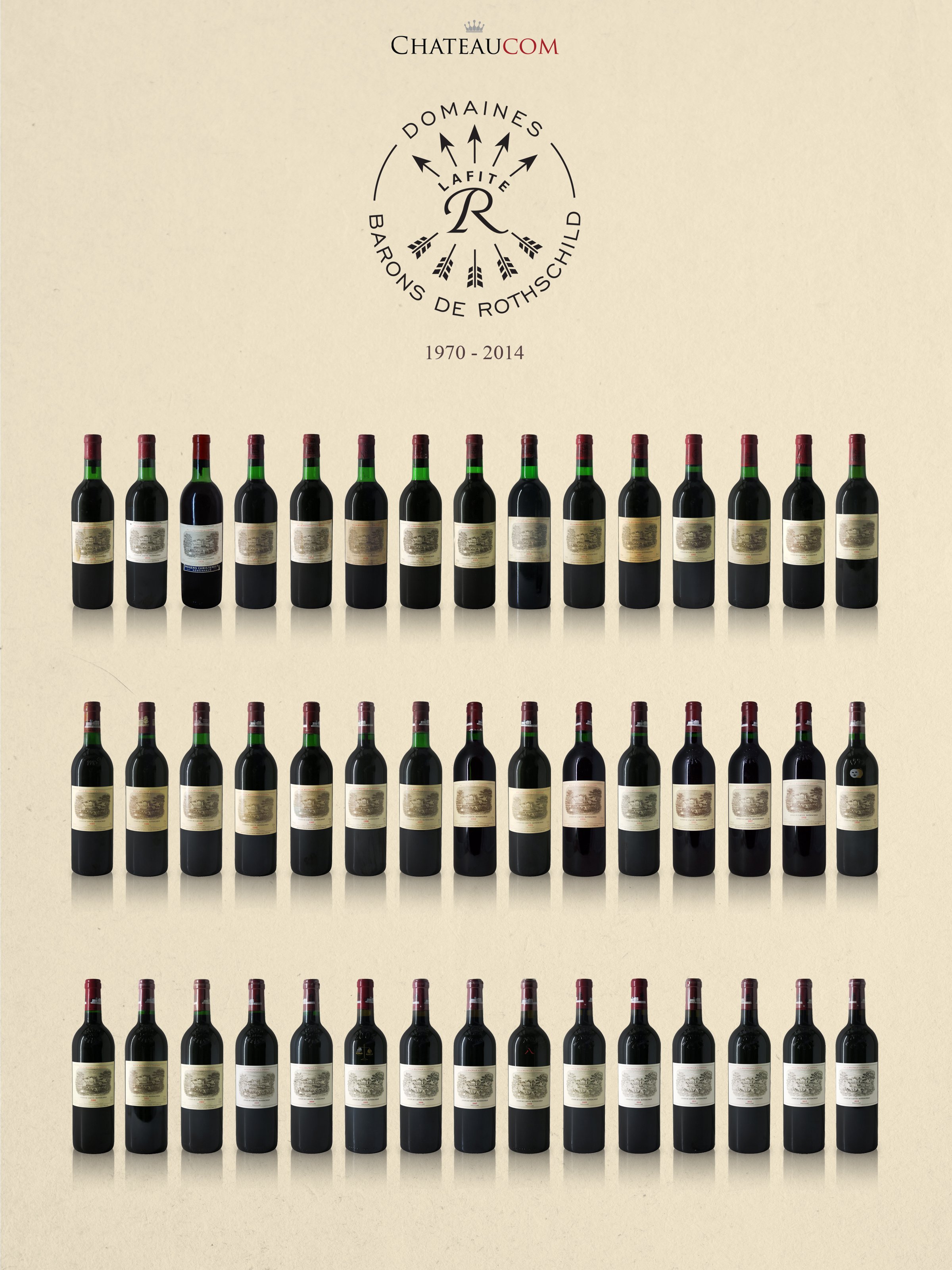
Château Lafite Rothschild is considered to be among the top five most prestigious wines in the world. It is the best of the First Classified Growths of 1855, with a wine tradition dating back to 1620.
From Cardinal Richelieu to the historic American President Thomas Jefferson, notable figures globally have succumbed to the allure of this exceptional wine with a distinctive soul and unparalleled refinement.
In their youth, Château Lafite Rothschild's wines exude the austerity and depth characteristic of great vintages, while aging bestows upon them the nobility inherent in the estate's signature bouquet.

The 2010 Cheval Blanc contains 2% press wine and was entirely aged in new oak barrels for 18 months. The final blend of 54% Cabernet Franc and 46% Merlot has the tell-tale berry/floral nose with subtle hints of menthol, blueberry, raspberry and flowers.

Le Pin, is a rich, expansive, 100% Merlot wine that soars from the glass with aromas of raspberry preserve, plums, wild berries, rose petals and licorice, framed by a deftly judged patina of creamy new oak. Full-bodied, supple and velvety, it's broad and enveloping, with a fleshy core of fruit that's framed by lively acids and powdery tannins, concluding with a long, aromatic finish. Rich in gravel on the surface, Le Pin's vines are rooted in clay, which no doubt helps to explain how this wine can perform so well in warm, dry vintages. - William Kelley, RobertParker.com

The 2013 Le Chapelle d’Auson is the result of a blend of 60% Cabernet Franc, 25% Merlot and 15% Cabernet Sauvignon, raised in 85% new oak, this has a light, floral bouquet with touches of rose petals infusing the dusty red fruit. The palate is medium-bodied with light tannins, pointed acidity and a simple, almost Left Bank style finish. Fine.
The 2019 Le Chapelle d’Ausone is a blend of 60% Cabernet Franc and 40% Merlot, deep garnet-purple coloured. It gallops out with energetic notes of juicy blackberries, warm plums, and redcurrant jelly, plus suggestions of sassafras, cedar chest, menthol, and aniseed. Full-bodied, it is rich and spicy in the mouth with a lively backbone and super-fine tannins, finishing very long and fragrant.

Château La Fleur-Pétrus holds a prestigious position among the esteemed vineyards of Pomerol. Its roots trace back to the 18th century when it was named for its location across the localities of 'Petrus' and 'La Fleur.' Acquired by Jean-Pierre Moueix in 1950, this historic estate, exclusively situated on the plateau, embodies the excellence of the Pomerol appellation. The unique personality of Château La Fleur-Pétrus emerges from the careful amalgamation of gravel and clay terroirs, which add distinct nuances to each parcel, elevating the wine's identity.


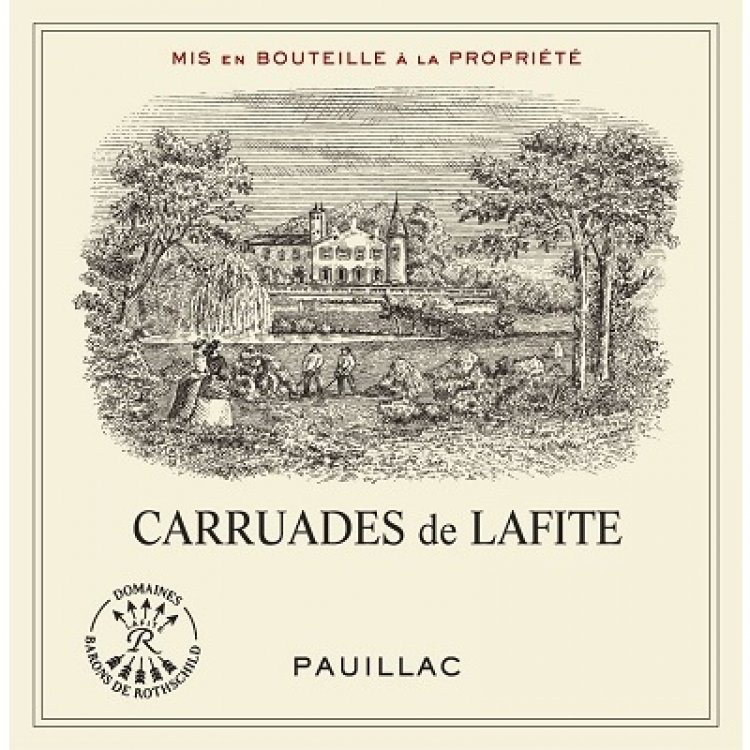
Carruades De Lafite is the second wine of Château Lafite-Rothschild.
Judging by the way in which Grand Vin has evolved in the last twenty years, it is possible to affirm that Carruades wines resemble it, although they maintain a personality of their own product of the greater proportion of Merlot in its composition and of plots identified as producers of Carruades. The origin of the name comes from the Carruades plateau, a name given to a set of plots located behind the château and acquired by Château Lafite in 1845.
In the 19th century, wines from the Carruades were marketed independently of Château Lafite, but were finally absorbed. The name Carruades was then taken up to designate the Second Vin de Château Lafite, first called "Moulin des Carruades" and then "Carruades de Lafite" from the 1980s.

Château Margaux, dominated by 87% Cabernet Sauvignon, complemented by Merlot, Cabernet Franc, and Petit Verdot. The weather conditions, with a drought in July and favorable mid-September weather, influenced the vineyard's water content. The result is an elegant wine with nuanced aromas, powerful complexity, velvety tannins, and a lingering finish. A true classic from Château Margaux.
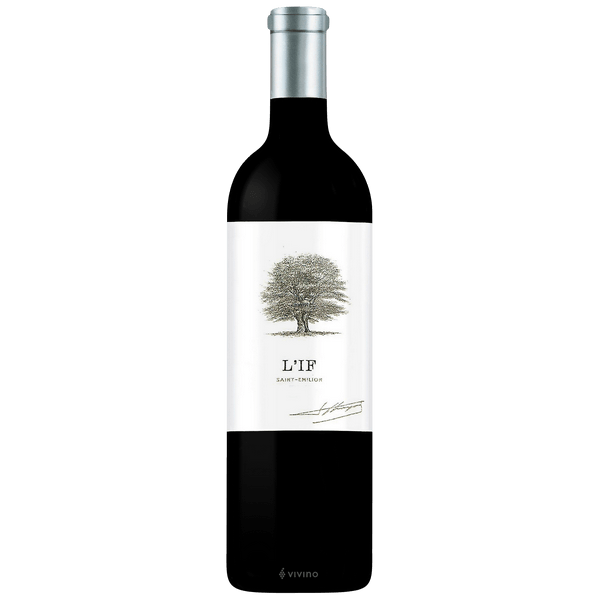
Château L’If, owned by Jacques Thienpont, who also owns the esteemed Pomerol property Le Pin, was acquired in 2010. Situated on the St-Emilion plateau, facing the village and near Troplong-Mondot, the 8-hectare vineyard underwent meticulous mapping and partial replanting to reduce Cabernet planting. Each parcel is carefully managed separately in both vineyard and winery. With a limited annual production, this wine, backed by a respected figure like Jacques Thienpont, is expected to follow in the footsteps of its renowned Pomerol sibling and become a highly sought-after and anticipated vintage.
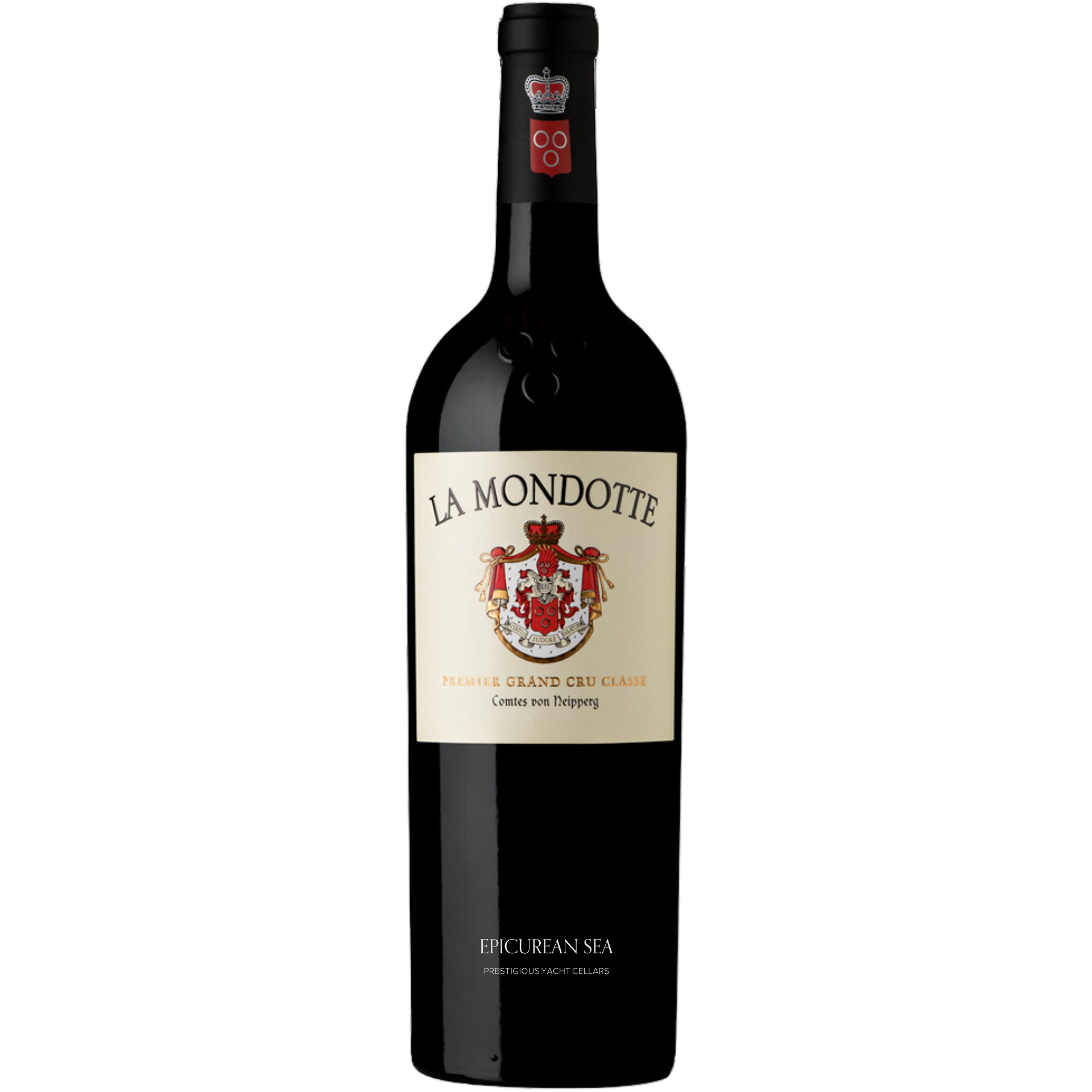
Located on the eastern part of the Saint-Emilion plateau next to Troplong-Mondot, Chateau La Mondotte benefits from an exceptional terroir. Its clay limestone soil, coupled with very silty clay and rocky subsoil, possesses all the natural qualities needed to produce exceptional wine. The vineyard boasts an average vine age of 50 years and exclusively consists of premium grape varieties, with 75% Merlot and 25% Cabernet Franc. Merlot ripening is consistently early and complete. This results in La Mondotte, deeply-colored, well-structured, and remarkably opulent. Moreover, the terroir imparts an unmatched finesse to the wine.

Petrus, a legendary Bordeaux wine, boasts an exceptional terroir and closely guarded expertise. Founded by the Arnaud family in the 19th century, it gained prominence when Edmonde Loubat recognized its potential and partnered with Jean-Pierre Moueix in 1945. Together, they elevated Petrus to greatness, becoming especially renowned in the United States with the help of Kennedy's endorsement. Following Loubat's death, Jean-Pierre Moueix took sole ownership, enlisting winemaker Jean-Claude Berrouet. Today, Jean-François and Jean Moueix, along with Olivier Berrouet, continue the legacy of Petrus.
The estate spans 11.5 hectares of vineyards on a unique clay hill, providing excellent water supply to the 100% Merlot grape variety. Aged in new French oak barrels for 18 to 20 months, Petrus displays unmatched olfactory and taste characteristics—velvety, deep, spicy, and irresistibly truffled. This extraordinary wine leaves an indelible memory to those fortunate enough to savor it, solidifying its place among the most revered Bordeaux wines.
ITALY
Red

Rich ruby hue. An embodiment of terroir, a whirlwind of wild fruit, Chinese spices, leather, licorice, balsamic notes, black tea, and coastal herbs. Lively and sophisticated palate, offering delightful freshness that envelops the senses in a flawless tannic embrace. The finish is enduring and lavish.

Solaia, a prized Antinori wine, emerges from a 20-hectare estate with southwest exposure and clay-limestone soils. Debuting in 1978 as 80% Cabernet Sauvignon and 20% Cabernet Franc, it evolved with about 20% Sangiovese. Crafted selectively in remarkable vintages, Solaia's vineyard prioritizes grape excellence. Meticulous cellar processes result in an intense, refined super Tuscan with red plum, currant, balsamic, and subtle spice notes. Its mineral-rich, elegant palate carries aristocratic body and tannins, ending in a chocolaty, irresistible finish.

The 2021 Gaja presents a fresh take on the Langa red by skillfully blending Nebbiolo, Barbera, and Merlot in this wine.
An exuberant explosion of aromas of small red and black fruits (blueberries and raspberries) and cherries in alcohol dominates the pale ruby red color on the nose. Light herbaceous and floral notes of violet follow. Silky tannins, balanced softness, and a pleasantly fresh finish characterize the mouthfeel.

The Flaccianello della Pieve Colli Toscana Centrale IGT Fontodi is a pure Sangiovese.
It has a centuries-old tradition of the Tuscan territory that places it among the great reds, capable of admirably combining intensity, complexity, elegance and persistence.

Promis is a blend of Tuscan varieties: Gaja's Merlot, Ca'Marcanda's Syrah, and Sangiovese from Pieve Santa Restituta in Montalcino. The ratio varies each year based on Ca'Marcanda's vineyard ripening. Maremma, along the Tuscan coast from Livorno, now a prestigious wine region, benefits from an ideal climate for Cabernet Sauvignon, Cabernet Franc, Merlot, and Syrah grapes due to warm days and cool nights.

With its distinguished and intricate character, Conteisa enchants our senses the moment it fills our glass, thanks to its radiant hue and its luxurious texture. It's a wine that invites endless exploration of its scents, uncovering fresh layers of candied cherries, tobacco, caramel liqueur, and earthiness. Sweet and gentle on the palate

The Manetti family's generations-long tradition of pottery making in Tuscany led them to create Fontodi, a renowned winemaking venture. Managed by Marco and Giovanni Manetti, this certified organic estate spans 170 hectares, over 80 of which are vineyards. Their flagship wine, Fontodi Chianti Classico, crafted from selected Sangiovese grapes, follows natural and sustainable practices, undergoing spontaneous fermentation and maceration before an 18-month oak barrel aging. This prestigious Tuscan winery's authentic approach results in an elegant yet traditional red wine, reflecting the essence of Chianti Classico.

Chianti Classico, Gran Selezione DOPG (BIO)
Promising aromas of raspberries and flowers, with subtle notes of pepper; on the palate it is pungent, with a perfectly integrated acidity, a lot of juice, power, robust tannins, character and a wonderful spicy finish on notes of ripe cherries and sandalwood.
“Mid to deep ruby. Savoury, minerally, elegant and a little understated on the nose. Deep succulent cherry fruit supported by the right dose of chewy tannins. Very long. Concentrated, tangy and composed all at the same time." JANCIS ROBINSON

Sassicaia is one of the original Super Tuscan wines, is made up of Cabernet Sauvignon with a small amount of Cabernet Franc. It is known for its supple texture, elegance and perfume.
The Bolgheri Sassicaia by Tenuta San Guido comes from Tuscan Maremma vineyards, primarily Cabernet Sauvignon and Cabernet Franc grapes. After fermentation and skin maceration, it matures for 24 months in French oak barriques, offering intense ruby color, ripe fruit aromas, balanced spiciness, and soft tannins. Perfect with game and roasts.

Ornellaia Massetino displays the distinctive traits of this year's harvest. Its appearance is deep and youthful, while its aroma reveals fully ripe black fruits accentuated by hints of newly introduced spices and licorice. On the palate, the wine is delightful and skillfully crafted, showcasing a velvety and elegant structure counterbalanced by a foundation of lively acidity and well-defined tannins.

Gaja's Barbaresco Sorì Tildìn is a red wine originating from the 2017 Piedmont harvest and classified under Barbaresco DOCG. Its vinification and aging occur in barriques and large barrels. The wine's ruby color with garnet nuances showcases the elegance of the vineyard, reflecting in its precise flavors, supported by fresh and mineral characteristics. The tannins are polished, leading to an enduring finish with energetic character. The wine unfolds with diverse notes including wild fruits, flowers, cherry jam, moss, wood, and balsamic hints.

Masseto is one of the most sought-after Italian wines in the world, along with Sassicaia, Tignanello, Ornellaia and Solaia. A renowned Super Tuscan by Tenuta dell'Ornellaia that stands out as a distinguished all-Merlot wine. Its aromatic complexity, rich fruit, and sturdy tannins have earned it global acclaim and high auction values, classified as IGT Toscana. André Tchelistcheff identified its potential due to its clay-rich site, managed in small plots. Fermented in stainless steel, aged in French oak barrels, and released since 1984, Masseto produces around 35,000 bottles annually. Owned by the Frescobaldis since 2005, it retains Michel Rolland's expertise since Tchelistcheff's passing in 1994.
SPAIN
Red

Established in 1986, this winery was one of the pioneers in the Priorat region, known for the concept of "Clos" vineyards. The Pérez family, spanning generations, played vital roles in its foundation and growth, from tending vineyards to bottling and marketing. Under Sara Pérez's management since 2001, the winery transitioned to organic practices starting in 2006.

Macán embodies a contemporary take on premium DOCa Rioja wines, emphasizing elegance, complexity, and potency. It's the flagship of Bodegas Benjamin de Rothschild & Vega Sicilia, a collaborative project initiated in 2004. Launched in 2009, Macán stems from a heritage of 100 hectares of select vineyards and advanced processing facilities, blending tradition, innovation, and technology.

· Garnacha Peluda 50%
· Cariñena 50%
Garnacha Peluda and Cariñena come together to make LO MAS, an exclusive wine from the oldest vineyards of the farm that bears the same name. Edetària has opted for a wine of excellent structure and great complexity, fruity, spicy, a wine called to be one of the greats of our country.

View: intense cherry colour with purple trim.
Nose: complex aroma in its freshness. Very expressive, well defined and elegant on the nose, very fine set of ripe fruits and remarkable floral, balsamic and mineral nuances in a very well set, powerful and elegant. Fine woods, spicy touches, roasted peat and an ink background. Many and elegant nuances.
Mouth: very good structure in the mouth, with body and nerve, lively acidity and high quality tannins. It is very wide and full, it has a magnificent balance body-acidity alcohol, with firm tannic skeleton but without tips, very tasty, quite soft step and with nerve, very expressive in aromas in the mouth. It dominates an elegant fruity character, good persistence. With a wide and very elegant aftertaste, with many nuances of ripe fruit, spices, woods and tea leaves.
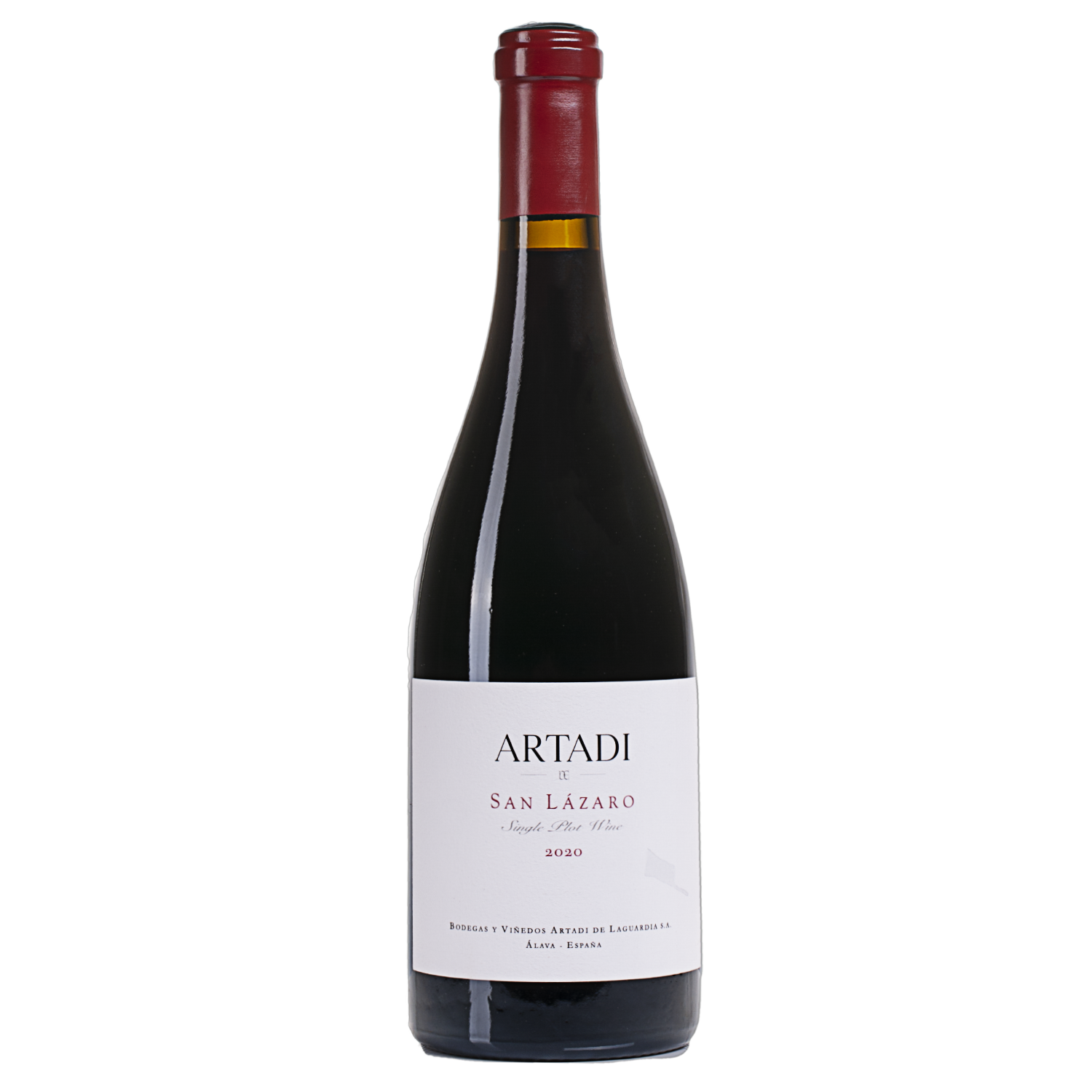
La Morera de San Lázaro exudes elegance and fragility. It hails from a 1956 vineyard in Laguardia with a unique clay-limestone soil. Sheltered from winds, it enjoys a special microclimate. This wine offers refined tannins and forest fruit sensations. The 2016 vintage, with a mild winter and timely rains, resulted in wines of slender profiles and vibrant fruit, embodying Juan Carlos López de Lacalle's winemaking philosophy.

One of Artadi's plot wines, made following an organic viticulture project that began in 2009. The Carretil has been characterised in previous vintages for being a red with sensations of depth. It has contained fruit and is tannic, fibrous and sculptural. Deep and complex. Presence of clean fruit and radiant texture at the end of the mouth. A wine with a lot of energy.

With a captivating ruby red hue and tile sparkles, it reveals its maturity and prolonged ageing in oak barrels. Its fragrance is complex and delicate, presenting an exquisite fusion of aromas of ripe red fruits, spices, vanilla, leather and tobacco, which evoke a feeling of balance and harmony. In the mouth it is seductive and refined, with a soft texture and a perfect balance between acidity, tannins and alcohol. Its finish is prolonged and persistent, leaving a pleasant impression of red fruits and spices on the palate.

D.O.Q. Priorat, 2006 - 2014
Farm planted in 1999 in the place of the old Vinyes de Can Olives. Arranged in high density. Masal selection. Fermentation in 2000 litre tubs. Recovery of "the old way of making wine" in the Priorat.

The Universal Venus Figuera 2016 is a fluid red wine with aromas of fresh red fruit accompanied by marked mineral notes. In the mouth it is fresh, soft and elegant. An enveloping wine with a brilliant acidity and fine tannins. The ending is wonderfully persistent.

2017
The Toro wine of the Álvarez family, owner of Vega Sicilia, is one of the most affordable references of this prestigious wine group. The 2016 harvest has a juicier, sweeter balance, achieving harmony and sedosity. The objective pursued by the house was to achieve a Pintia as elegant as possible, taking into account the characteristics of this warm vintage.

Available in standard size, magnum, double magnum and imperial, as well as in various vintages. Further vintages available upon enquiry.
Alión stands as a pioneering and independent wine, a testament to the evolution of a renowned wine family. Its authenticity has earned recognition and admiration, embodying a universal spirit focused on the future. Crafted from the finest red grapes, the hand-harvested fruit undergoes meticulous selection before fermentation in wood tanks. This process ensures optimal polyphenolic extraction for the wine's rich color and firm structure. Maturation takes place in new French oak Bordeaux barrels for 12 to 14 months, followed by a minimum of 15 months in bottle, allowing the wine to harmonize its primary fruit aromas with delicate aging nuances. The result is a complex, intense, and elegant wine, where sophistication is a defining characteristic of the winery.

This great wine has a beautiful cherry colour, with garnet edges.
On the nose it is very powerful and complex, highlighting the maturity of the grape with fruity aromas (plum) and the roasted ones (roasted coffee, Toffee) of the wood that embraces the wine, has a mineral background (sylex and slate) and spicy tones (cinnamon, pepper and some vanilla), menthol woods and aromatic herbs (sandalwood and thyme).
In the mouth it is elegant, tasty, very fruity, well armed in body with noble tannins and with friendly power, consistent, very expressive with sensations of fresh black fruit and cocoa compote, English chocolate, aromatic herbs, coffee bean, large and very persistent. To consume now and in many years.

Cherry red with fragrant notes of spices and cassis in its complex perfume. Sweet, tasty, elegant and impeccably balanced, it is a wine of great finesse and character.

2019
Macán Clásico emerges from Rioja as a timeless and contemporary wine, capturing the region's authentic essence. This wine reflects the shared vision of Rothschild and Vega Sicilia in La Rioja, offering an elegant and authentic experience.
Crafted from Tempranillo grapes, it embodies the elegance and character of its land through harmony and expressiveness. After alcoholic fermentation, it undergoes malolactic transformation in a blend of barrels and tanks, followed by 15 months of aging in French oak, mostly new.
Macán Clásico coexists with its counterpart, Macán, following Bordeaux tradition of first and second wines. Separated and treated equally, they showcase the differences between them.

96% Tinto Fino, 6% Cabernet Sauvignon
Unico is a wine based on the aromatic complexity more than on its structure. On the nose they denote aromas of macerated fruit, compote, eucalyptus and menthol characteristic of the terroir of Vega Sicilia.
In the mouth, it opens with a subtle attack gives way to a mouth with opulence without being aggressive, with a great aromatic persistence.
Sweet and mature on the nose. Burnt raisins and bitter orange chocolate on the palate. It stays great in the cup. The flavour, extremely soft, melts. Absolutely charming. The touch of orange and cloves remained on the palate. Excellent wine.

Artadi Viña el Pison 2019 is the first vintage made by Bodegas y Viñedos Artadi that is vinified outside the D.O. Rioja. It is part of the series of parcel wines, of which it is the one that presents the greatest charm. It is made 100% with Tempranillo grape variety, coming only from the El Pisón vineyard worthy of being vinified separately. It has an area of 2.4 hectares, located at 480 metres of latitude and oriented to the south-east. Cultivated only with ecological methods. It has an ageing of about 14 months in new French oak barrels.
Viña El Pisón is the reflection of an authentic land, complex soils and the passion and dedication of a family; a wine that reflects the know-how of the ancestors and the passion of those who want to maintain the spirit of a wise and balanced vineyard in a living environment.

96 Robert Parker (The Wine Advocate) - 95% Tinto fino | 5% Merlot
On the nose, Valbuena has powerful aromas of perfectly ripe fruit such as currants and blueberries combined with very fine oak aromas and not at all dominant. On the palate, it displays typical balsamic touches of the terroir of Vega Sicilia. In the mouth it is silky, enveloping the mouth with intensity and vanilla. Authentically refined texture and finish of casis.

2015
Unico Reserva Especial is a homage to Spanish wine history, embodying Vega Sicilia's enduring concept. This wine beautifully combines the finest vintages and harvests, capturing the enchantment of a legendary terroir. It's a fusion of years, qualities, experiences, and emotions—an eternal treasure. Unconventionally, this red lacks a specific vintage, paying tribute to tradition while achieving vintage balance. This echoes an ancient Spanish custom where select wineries produced two wines per harvest: one from the current year and the other, "Reserva Especial," a blend of the best harvests that showcased the winery's essence.

The 2006 Pagos Viejos has an adjusted production, coupled with a careful elaboration and care. It has 95 points in the 2009 Parker Guide. And 96 points in the 2009 Peñín Guide. It is one of the red wines with the D.O. Rioja, made with 100% Tempranillo grapes from old strains with 75 years of age. Aged for 15 months in French oak barrels. It has an intense cherry red colour. Intense aroma of red fruit, subtle creamy toasts, depth, elegance and balsamic notes. Silky mouth, slightly spicy, toasted together and balanced, long aftertaste.

An unrepeatable selection to celebrate the 150th anniversary of Vega Sicilia.
Vega Sicilia is the winery that has written the history of Spanish wine in capital letters. In honour of its 150th anniversary, we present six different vintages of one of its great wines: Valbuena 5º - vintages of 2006, 2007, 2008, 2009, 2010 and 2011.